AAMI TIR17:2024 provides updated guidance on how different sterilization methods affect medical device materials like polymers, ceramics, and metals, helping manufacturers select compatible materials and ensure product safety.
- AAMI TIR17:2024 covers seven sterilization modalities including ethylene oxide, vaporized hydrogen peroxide, chlorine dioxide, and radiation
- The updated guidance includes compatibility data for 70+ unique material types with revised ratings based on defined criteria and traceable data
- Key topics addressed: material selection, material processing optimization, testing protocols, and accelerated aging programs to reduce development time and cost
- The revision completely rewrote material compatibility table annexes to provide valid, science-backed compatibility ratings for medical device manufacturers
- Applies to medical device manufacturers, product designers, and sterile processing professionals developing and sterilizing medical devices
Key takeaways:
- Whether a material is compatible with different sterilization methods is a serious concern for medical device manufacturers.
The Association for the Advancement of Medical Instrumentation (AAMI) has published AAMI TIR17:2024; Compatibility of materials subject to sterilization. - TIR17 applies to new alternatives to ethylene oxide (EO) like chlorine dioxide and vaporized hydrogen peroxide, and addresses the selection and qualification of polymers, ceramics, and metals subject to sterilization.
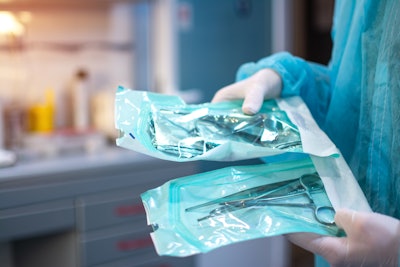
Whether a material is compatible with different sterilization methods is a serious concern for medical device manufacturers and sterile processing professionals. After all, cleaning or sterilization should not damage medical products. Newly updated AAMI guidance addresses this issue by clarifying how sterilization affects products and packaging.
The Association for the Advancement of Medical Instrumentation (AAMI) has published AAMI TIR17:2024; Compatibility of materials subject to sterilization. Last updated in 2017 to address an urgent need for information sharing, AAMI TIR17 is relevant to medical device manufacturers, product designers, and sterilization professionals.
TIR17 applies to new alternatives to ethylene oxide (EO) like chlorine dioxide and vaporized hydrogen peroxide, and addresses the selection and qualification of polymers, ceramics, and metals subject to sterilization. The guidance features:
- Information on modalities like ethylene oxide (EO), nitrogen dioxide, vaporized hydrogen peroxide, moist and dry heat, radiation, and more.
- Novel scientific data on how these modalities interact with seventy unique material types.
- Detailed guidance on modality switching and real-time and accelerated aging programs.
Jami McLaren, PhD, Sterility Assurance Fellow at Boston Scientific, is co-chair of AAMI’s Compatibility of Materials Subject to Sterilization Working Group. He said, “The most significant change in the new revision of AAMI TIR17 is the complete revision of the material compatibility table annexes. These annexes were revised with new compatibility ratings based on defined criteria to reference valid and traceable data that supports the rating.”
McLaren continued, “Compatibility of materials in sterilized products is a critical aspect of successful device development. AAMI TIR17 provides valuable information on aspects of several sterilization modalities that can impact material compatibility and how medical device materials interact with these modalities.”
TIR17 also addresses:
- Material selection: Addressing each sterilization modality and choosing compatible materials.
- Material processing: Optimizing material performance to avoid processing errors and negative results.
- Material testing: Assessing the product and packaging for functionality and safety after sterilization and aging.
- Accelerated aging programs: Ensuring correlation with real-time aging while reducing cost and time required.
Interested parties can purchase TIR17 on AAMI ARRAY or as part of an AAMI e-subscription.