A GS1 US survey found that 93% of Americans are concerned about how frequently food recalls happen, with 60% avoiding entire food categories and 59% hesitating to rebuy brands after recalls. Despite consumer anxiety, food recalls indicate the safety system is working effectively through improved tracking and traceability requirements.
- 93% of consumers are concerned about food recall frequency, though 85% believe recalls effectively protect public health
- 60% of Americans have avoided entire food categories following recalls, with millennials (70%) and Gen Z (64%) most likely to discard recalled products even outside affected regions
- 59% hesitate to repurchase recalled brands or products, especially younger generations like millennials (65%) and Gen Z (64%)
- FSMA Rule 204 strengthens food safety through stricter recordkeeping and requires full traceability data available to the FDA within 24 hours, with implementation deadline extended to July 20, 2028
- Food recalls result from bacterial contamination, undeclared allergens, foreign objects, and mislabeling—and increased recalls reflect a more proactive, science-driven food safety system
A new consumer survey commissioned by GS1 US reveals that while 85% of Americans believe food recalls are effective in protecting public health and safety, 93% are concerned about how frequently they occur. Additional findings from the survey highlight the impact that food recalls have on consumer behavior:
- 60% say they have avoided an entire food category, such as lettuce, following a recall.
- 59% report hesitancy to purchase the same product or brand again after a food recall—especially millennials (65%) and Gen Z (64%) compared to baby boomers (53%).
- 57% admit to discarding recalled food even if their state or region was not impacted, with millennials (70%) most likely to take this precaution.
"Food recalls are issued for a variety of reasons, including contamination with bacteria like salmonella or E. coli, undeclared allergens, the presence of foreign objects or even mislabeling," says Bob Carpenter, president and CEO of GS1 US. "Though the frequency of food recalls may seem concerning to some, it shows that the food safety system is more proactive and effective due to advances in science, technology and modern regulations. Improved tracking tools, barcoding standards and traceability requirements are evolving to help identify and remove affected products and better respond to recalls."
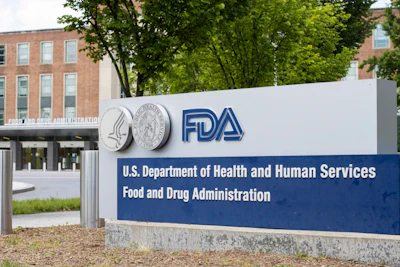
Regulation taking shape to strengthen recall effectiveness includes FSMA Rule 204, which is part of the U.S. Food and Drug Administration's (FDA's) Food Safety Modernization Act (FSMA), signed into law in 2011 to improve food safety processes. The FDA recently proposed to extend the implementation deadline until July 20, 2028, for the rule, which adds stricter recordkeeping requirements for foods that are most often implicated in food recalls, such as leafy greens, shell eggs and nut butters, among others on the FDA's Food Traceability List (FTL). It also requires that full traceability data needed to support a recall be made available to the FDA within 24 hours, which allows for quicker action to protect consumers.