The global microneedle drug delivery market is projected to grow from $0.8 billion in 2026 to $1.6 billion by 2036, driven by demand for painless administration and decentralized healthcare solutions.
- Market projected to reach $1.6 billion by 2036 with a 6.6% compound annual growth rate
- Key growth drivers include pain-free drug administration, biologics adoption, and decentralized healthcare initiatives
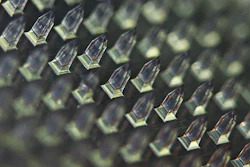
- Solid microneedles expected to dominate with 52.6% market share in 2026 due to manufacturing simplicity
- Hospitals represent the largest end-use segment at 44.1% market share, primarily for vaccination and acute care
- Major challenges include complex regulatory pathways, manufacturing scalability, and dosing accuracy across patient demographics
Key Takeaways:
- The global market for microneedle drug delivery systems is projected to double from $0.8 billion in 2026 to $1.6 billion by 2036, expanding at a 6.6% compound annual growth rate.
- Key market drivers include the rising demand for pain-free drug administration, the growing adoption of biologics, and healthcare system pressures to improve operational efficiency and decentralize care.
- Companies in the sector face significant hurdles, including complex regulatory approval pathways, manufacturing scalability constraints, and ensuring consistent dosing accuracy.
A growing demand for painless, self-administered therapies is reshaping the drug delivery landscape, positioning the microneedle systems market for substantial growth over the next decade. According to a recent report from Future Market Insights, the sector is expected to reach $1.6 billion by 2036 as pharmaceutical companies and healthcare providers increasingly adopt technologies that move away from traditional hypodermic injections.
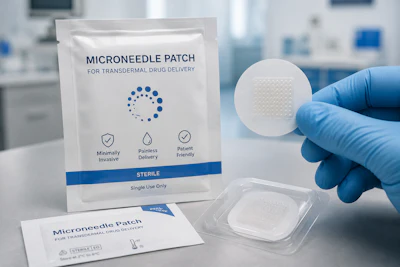
These systems, often in the form of transdermal patches, offer a minimally invasive method for delivering biologics, vaccines, and other therapeutics. The technology aims to reduce patient pain, minimize needle-stick injuries for healthcare workers, and ease the dependency on complex cold-chain logistics for certain medications. The post-pandemic push for decentralized healthcare has further accelerated interest, particularly in vaccine patches that require minimal training to administer.
"The microneedle drug delivery systems market is transitioning from niche transdermal innovation into a mainstream healthcare infrastructure solution," said Sabyasachi Ghosh, a principal consultant at FMI. He noted that success in the market will depend on a company's ability to integrate scalable manufacturing with stringent regulatory compliance.
Navigating Production and Regulatory Hurdles
Despite the promising growth trajectory, significant operational challenges remain. The report highlights complex regulatory approval pathways as a primary obstacle for companies bringing new drug-device combinations to market. Furthermore, achieving manufacturing scalability to meet projected demand while maintaining quality control is a critical constraint. Variability in dosing accuracy across different patient demographics also presents a technical and clinical challenge that manufacturers must address.
Hospitals and ambulatory care centers are investing in these technologies to reduce nursing workloads and improve patient throughput. Solid microneedles are expected to be the dominant product type, accounting for an estimated 52.6% of the market share in 2026 due to their reliability and relative manufacturing simplicity. Hospitals are projected to be the largest end-use segment, representing 44.1% of the market, driven by institutional vaccination programs and acute care needs.
Competitive and Regional Landscape
According to the FMI report, competitive strategies are focused on forming strategic partnerships, acquiring complementary technologies, and investing in proprietary micro-fabrication techniques. As the market matures, leaders will be those who can effectively optimize supply chains and navigate the global regulatory environment to deliver reliable and effective drug delivery platforms.