The global vaccine packaging market is projected to grow at 8.2% annually through 2035, driven by expansion of biologics, mRNA therapies, and decentralized vaccine administration to retail pharmacies. The market is splitting into premium innovation-led segments for advanced therapies and high-volume commodity segments for public health programs.
- Market projected to expand at 8.2% CAGR from 2026 to 2035, driven by biologic expansion and stricter cold-chain requirements
- Market bifurcated into two segments: high-volume, low-margin public health procurement and premium, benefit-led packaging for clinical trials and biologics
- Asia-Pacific leads with 38% market share and fastest growth exceeding 9% CAGR, followed by North America (28%) and Europe (22%)
- Decentralization to retail pharmacies and direct-to-consumer channels creating demand for user-friendly, shelf-ready packaging with clear labeling and temperature monitoring
- IoT-enabled smart packaging and sustainable, recyclable materials becoming standard differentiators across all segments
Key Takeaways:
- The market has bifurcated into a high-volume, low-margin public health segment and a premium, innovation-led segment for advanced biologics, creating distinct competitive and pricing structures.
- The decentralization of vaccine administration to retail pharmacies and direct-to-consumer channels is disrupting traditional distribution models and creating demand for user-friendly, shelf-ready packaging formats.
- Technology and sustainability are becoming critical differentiators, with growing demand for IoT-enabled tracking for regulatory compliance and reusable or recyclable materials for both public and private sector procurement.
The global temperature-controlled vaccine packaging market is transitioning from a period of crisis-driven demand to one of sustained, structural growth, according to a recent report from IndexBox. The market is projected to expand at a compound annual growth rate (CAGR) of 8.2% from 2026 to 2035, driven by the expansion of global immunization programs and the increasingly stringent cold-chain requirements of new biologic and mRNA therapies. This evolution is forcing a strategic realignment for manufacturers, logistics providers, and pharmaceutical companies as the industry moves beyond emergency response to address a more complex and segmented landscape.
A key structural shift identified in the report is the market's division into two distinct competitive arenas. The first is a high-volume, low-margin commodity segment dominated by public health procurement for national immunization programs. This area is characterized by large tenders where cost-effectiveness, reliability, and compliance with WHO standards are paramount. Here, private-label penetration is exerting significant margin pressure, pushing established brands to compete on price and operational efficiency. The second is a premium, benefit-led segment focused on packaging for clinical trials and commercial biologics, including mRNA, gene, and cell therapies. This segment commands higher margins for validated, regulatory-compliant systems capable of maintaining ultra-low temperatures, with high switching costs for pharmaceutical clients.
The route to market is also undergoing a fundamental transformation. The decentralization of vaccine administration from public health clinics to retail pharmacies and hospitals is creating a rapidly growing end-user segment. These customers demand user-friendly, shelf-ready packaging that is easy to store and dispense, placing new emphasis on design, clear labeling, and brand trust to mitigate liability from temperature excursions. This trend, coupled with an emerging direct-to-consumer (DTC) market for travel and home-use vaccine storage, is altering traditional B2B distribution economics and demanding more integrated, omnichannel supply chain strategies.
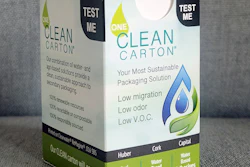
To maintain a competitive edge, companies are increasingly reliant on innovation in technology and materials. In the premium pharma segment, the adoption of IoT-enabled smart packaging with real-time temperature and location tracking is becoming standard for high-value shipments. In the public health sector, there is a growing trend toward reusable passive packaging systems and the integration of temperature monitoring tags to lower per-dose costs and improve compliance. Across all segments, sustainability has become a key purchasing consideration, with rising demand for recyclable materials and packaging solutions with a lower carbon footprint to meet both regulatory mandates and corporate environmental goals.
Geographically, the Asia-Pacific region leads the market, accounting for 38% of demand and projected to be the fastest-growing region with a CAGR exceeding 9% through 2035. This is fueled by large-scale immunization programs and expanding biologic manufacturing capabilities. North America, with a 28% share, remains a mature but premiumizing market focused on innovation for high-value biologics. Europe, at 22%, is characterized by a strong focus on sustainability and regulatory compliance, particularly under the EU Green Deal. While the competitive landscape is consolidating around major players like Sonoco ThermoSafe, Pelican BioThermal, and Cold Chain Technologies, the report suggests that new entrants are finding opportunities by focusing on digital integration and specialized niche applications.