The global pharmaceutical glass packaging market is projected to reach $44.3 billion by 2032, driven by surging demand for injectables, biologics, and vaccines that require specialized glass containers.
- Market projected to reach $44.3 billion by 2032 with a 9.8% compound annual growth rate (CAGR)
- Parenteral drugs, biologics, and vaccines are the primary growth drivers, requiring high-performance glass packaging
- Type I borosilicate glass remains the industry standard due to chemical inertness, impermeability, and transparency for drug stability
- Supply chain vulnerabilities and regulatory pressures on container closure integrity (CCI) create operational challenges for manufacturers
- Innovation in chemically strengthened and lightweight glass reduces breakage, shipping costs, and environmental impact
Key Takeaways:
- The global market for pharmaceutical glass packaging is projected to reach US$44.3 billion by 2032.
- Growth is primarily fueled by the increasing development and production of parenteral drugs, vaccines, and biologics.
- Businesses in the sector face dual pressures of managing volatile raw material supply chains while investing in innovations like break-resistant and lightweight glass.
The pharmaceutical glass packaging sector is on a significant growth trajectory, with market projections indicating a valuation of $44.3 billion by 2032. This expansion, representing a compound annual growth rate (CAGR) of 9.8%, is largely driven by fundamental shifts in the global pharmaceutical landscape, according to a recent analysis by Persistence Market Research. As the industry pivots toward more complex biologic drugs, advanced vaccines, and high-potency injectables, the demand for reliable, high-performance packaging is intensifying.
Biologics and Parenteral Drugs Fuel Demand
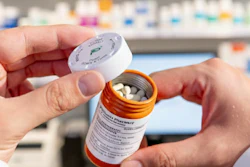
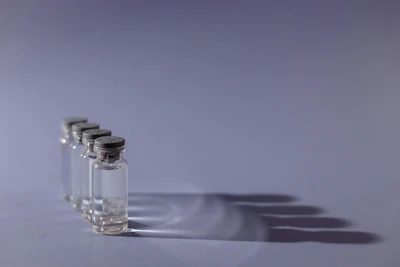
The primary engine for this market growth is the robust pipeline of parenteral drugs. Unlike solid oral dosage forms, liquid formulations for injection or infusion are often highly sensitive to their storage environment. Glass, particularly Type I borosilicate glass, has long been the material of choice due to its chemical inertness, impermeability, and transparency, which are critical for maintaining the sterility and stability of sensitive drug products. The recent global emphasis on vaccine production has further underscored the critical role of glass vials and syringes in public health infrastructure, straining supply chains and highlighting the need for increased manufacturing capacity.
Navigating Supply Chain and Regulatory Hurdles
Despite the positive growth outlook, manufacturers and pharmaceutical companies face significant operational challenges. The supply chain for specialized pharmaceutical-grade glass can be rigid and is susceptible to disruptions, from raw material shortages to energy price volatility impacting the energy-intensive manufacturing process. Companies must balance the need for a resilient supply chain with cost-containment pressures.
Concurrently, the regulatory environment is becoming more stringent. Health authorities worldwide are placing greater emphasis on container closure integrity (CCI) to prevent contamination and ensure patient safety. This requires investment in advanced manufacturing and quality control processes to minimize defects, reduce the risk of glass delamination, and ensure compatibility between the drug product and its packaging.
Innovation as a Competitive Differentiator
In response to these market pressures, innovation has become a key focus for packaging suppliers. Key areas of development include chemically strengthened glass to reduce breakage during fill-finish operations and transportation, which is a costly issue for high-value biologic drugs. Furthermore, advancements in lightweighting glass containers help reduce shipping costs and the environmental footprint. As the industry moves forward, the ability to provide not just a container but a comprehensive packaging solution that addresses regulatory, supply chain, and drug stability challenges will be crucial for success.