Companies are developing innovative bio-based packaging solutions including sugarcane straws, cork bottle sleeves, and edible plant coatings to replace conventional plastics and reduce environmental impact.
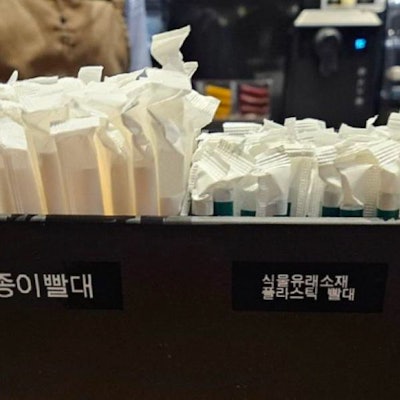
- Starbucks Korea is piloting sugarcane-based straws at 200 stores as a functional alternative to paper straws, with dedicated recycling collection boxes.
- Innonature Packaging Solutions created a reusable cork bottle sleeve from sustainably harvested cork that regenerates without felling trees and absorbs three to five times more CO₂ than unharvested trees.
- Akorn Technology launched an edible plant-based coating for cucumbers and peppers that extends shelf life and reduces plastic waste while maintaining product freshness and appearance.
- Cork harvesting occurs every 7-9 years with each tree providing up to 17 harvests over its lifetime, sourced from FSC-certified forests in Portugal.
- These innovations align with EU packaging legislation requiring recyclability or reusability by 2030 and respond to growing consumer demand for sustainable alternatives.
These examples underscore the high level of research and investment directed towards bio-based packaging solutions.
Learn more about ThePackHub's Innovation Zone here.
Starbucks trials plant-based straws in South Korea as alternative to paper
Starbucks Korea has begun piloting plant-based plastic straws made from sugarcane at around 200 stores, focusing on outlets near hospitals and residential areas to better serve vulnerable customers such as patients, young children and the elderly who may struggle with paper straws. This follows feedback from customers requesting a more functional alternative to paper. The pilot includes a dedicated straw collection box to explore recycling options. Starbucks Korea eliminated conventional plastic straws in 2018, replacing them with paper straws as part of its sustainability efforts. In 2021, the company announced plans to phase out all disposable cups in Korean cafés by 2025, offering dine-in mugs, personal reusable cups or company-provided reusable cups instead. This initiative comes after the South Korean Ministry of Environment lifted its ban on paper cups, plastic straws and plastic bags in cafés and convenience stores in 2023, citing economic pressures on small businesses. The move also aligns with similar actions in Japan, where Starbucks introduced biodegradable plant-based straws in 2024 with plans for full adoption across Japanese stores by 2025. The Korean pilot is positioned as a response to customer needs while maintaining progress toward sustainable packaging and reducing reliance on conventional plastics.
 The cork used is harvested every 7–9 years, with each tree able to provide up to 17 harvests over its lifetime. ThePackHub
Innonature Packaging Solutions offers cork-based bottle sleeve as a reusable and recyclable alternative
Innonature Packaging Solutions, based in Europe, has developed a reusable and recyclable sleeve for wine and spirits bottles made from cork, launched in collaboration with Dubai Duty Free. The sleeve is created from sustainably sourced cork derived from cork oak trees (Quercus suber), which are known for their ability to regenerate bark without requiring the tree to be felled. The cork used is harvested every 7–9 years, with each tree able to provide up to 17 harvests over its lifetime. This harvesting method is considered to offer environmental benefits, with harvested trees reportedly absorbing three to five times more CO₂ than unharvested ones. The cork material is sourced from FSC-certified forests in Portugal, and the manufacturing partner holds ISO 45001 and SA 8000 certifications, with production supported by renewable energy sources such as solar and cork dust biomass. The Suber Sleeve is lightweight, moisture-resistant, and can be flat-packed to improve transport efficiency and reduce emissions. In addition, it features a QR code linking to information about the sleeve’s sourcing, environmental impact, and reuse options. The design is customisable to meet brand-specific requirements and is targeted at organic wineries, spirit brands, and retailers seeking sustainable packaging. The product aligns with EU packaging legislation requiring recyclability or reusability by 2030.
 The coating is intended to meet the growing interest in the US, Europe, and elsewhere for sustainable, compostable alternatives to plastic, which contributes to pollution and can accelerate spoilage. ThePackHub
Akorn Technology replaces plastic wrap for cucumbers with edible plant-based coating
Berkeley, California-based startup Akorn Technology has launched a natural, edible coating designed to replace single-use plastic wraps on cucumbers while maintaining freshness and extending shelf life. Branded as Akorn Natural Advantage, the coating forms an invisible barrier on the surface of cucumbers and bell peppers, emulating the protective role of plastic without the associated environmental impact. Produced from upcycled, non-GMO plant materials, the patented formulation is applied directly to the vegetables and is safe for consumption. According to Akorn, cucumbers treated with the coating retain a vibrant green color, glossy finish, and firm texture, addressing issues such as ethylene build-up in plastic-wrapped cucumbers that can lead to yellowing and loss of crispness. The coating is intended to meet the growing interest in the US, Europe, and elsewhere for sustainable, compostable alternatives to plastic, which contributes to pollution and can accelerate spoilage. Akorn highlights that the solution can be integrated into existing packing lines with only minor adjustments, making it a practical option for retailers and producers. The company also points to studies showing that loose produce or breathable, compostable packaging helps reduce both food waste and plastic usage, aligning with environmental and consumer preferences for sustainable packaging in the fresh produce sector.
Learn more about ThePackHub's Innovation Zone here.