The global medical adhesives market is projected to grow from $11.38 billion in 2026 to $14.90 billion by 2031, driven by surgical innovation, advanced wound care, and the adoption of biocompatible alternatives to traditional sutures.
- Market projected to expand from $11.38 billion (2026) to $14.90 billion (2031) at a 5.5% CAGR
- Solid hot melt adhesives are the fastest-growing technology segment, offering faster curing times and reduced production costs
- Natural resins experiencing highest growth due to regulatory pressure and demand for biocompatible, hypoallergenic materials
- Surgical applications are the fastest-growing segment as adhesives replace sutures for wound closure and tissue sealing
- North America leads the market due to established healthcare infrastructure and high adoption of new medical technologies
Key Takeaways:
- The global medical adhesives market is projected to grow at a 5.5% compound annual growth rate, creating consistent demand for manufacturers and suppliers in the healthcare sector.
- Solid hot melt adhesives represent the fastest-growing technology segment, offering manufacturers operational advantages such as faster curing times, reduced production costs, and compliance with environmental regulations.
- Demand for natural resins is increasing due to regulatory pressure and a focus on patient safety, signaling a supply chain shift toward biocompatible and sustainable materials.
The global market for medical adhesives is projected to expand from $11.38 billion in 2026 to $14.90 billion by 2031, according to a recent report from MarketsandMarkets. This growth reflects a broader industry trend toward advanced wound care, an increase in surgical procedures, and the expanding use of medical devices that rely on biocompatible and flexible bonding agents as alternatives to traditional sutures and staples.
Technology Shifts to Improve Efficiency and Safety
A significant driver of market evolution is the adoption of new adhesive technologies. According to the report, "Solids hot melt is projected to be the fastest-growing technology segment, in terms of value, during the forecast period." These adhesives are 100% solid formulations that do not require solvents, making them a safer and more environmentally friendly option that aligns with stringent healthcare regulations.
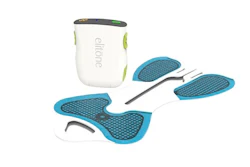
For medical device and equipment manufacturers, this technology offers tangible operational benefits. The fast curing times associated with solid hot melt adhesives can reduce production time and costs. This efficiency is critical for producing medical tapes, wearable health devices, and advanced wound care products at scale.
Regulatory and Patient Demands Push Natural Resins
On the materials front, the market is seeing a notable shift toward sustainability and biocompatibility. The report states that "Natural resin will register the highest CAGR, by resin type, during the forecast period." This growth is attributed to increasing demand for materials derived from renewable sources that minimize skin irritation and are suitable for sensitive applications.
This trend is reinforced by "growing regulatory pressure to decrease synthetic chemical and solvent-based chemical usage," which compels manufacturers to source and formulate with environmentally friendly solutions. The focus on patient comfort and safety, particularly the demand for hypoallergenic adhesives, is a key factor influencing product development and supply chain decisions for companies operating in this space.
Surgical Applications and Regional Market Dynamics
Surgical applications represent the fastest-growing segment for medical adhesives. The report notes that surgeons are increasingly using adhesives for wound closure, tissue sealing, and internal fixation, as they can decrease surgical duration and reduce infection risk compared to sutures and staples. This trend is amplified by a growing elderly population and a higher incidence of chronic health conditions requiring surgical intervention.
Geographically, North America is expected to hold the largest share of the medical adhesives market. The region’s established healthcare infrastructure, high adoption rate of new medical technologies, and robust regulatory standards contribute to its market dominance. Key players in the market include Solventum, Henkel AG & Co. KGaA, H.B. Fuller Company, and Johnson & Johnson, who continue to invest in research and development to meet evolving industry demands.