In pharmaceutical distribution, brokering shipments to third parties is becoming more common than ever before.
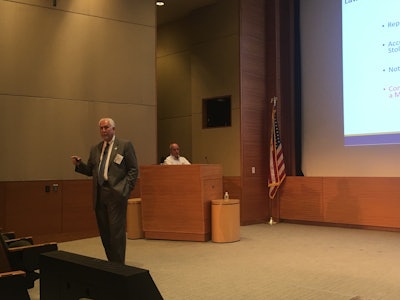
As Chuck Forsaith, Senior Director of HDA’s Pharmaceutical Cargo Security Coalition (PCSC), noted at the 2018 Educational Seminar, the need to move more products quickly and cost-effectively, combined with driver shortages, has led to a rise in brokering. Much like subcontracting, brokering a shipment means that the originally contracted carrier hires another transportation company (often regional) to handle the shipment. Unfortunately, shippers might not always be aware that their load has been brokered and this can adversely affect shipment “visibility.”
“A dangerous side effect is that in-transit security programs are being curtailed, due to budgetary challenges caused by rate increases from driver shortages,” he said. “Some brokerage arrangements reduce shipping costs but increase risk. Supply chain security programs tend to increase overall shipment costs but reduce risk.”
If a cargo theft does take place, what steps can brand owners take to increase the chances of recovery?
Before departure
“Shippers should require that their selected transportation entity send to them, in advance of arrival, the name/names of the driver/drivers involved – as well as a complete description of the vehicle that will be used to transport their goods,” said Forsaith. “If, upon arrival, those names and descriptions don’t match, then the shipment should not be tendered until all parties are in full agreement.”
Drivers should also supply the shipper with their mobile number, to be able to maintain effective communication. Shippers should supply the driver(s) with a similar contact number, for the same reason.
If theft occurs
Accurate and timely info is crucial to the recovery of stolen cargo. John Cannon, Special Agent in Charge at the Georgia Bureau of Investigation, noted the following steps:
-
Obtain all info as soon as possible from the victim, including driver’s contact info, if that wasn’t collected pre-departure
-
Report the theft to the agency where the theft occurred (versus the brand owner’s homebase)
-
Ensure that the tractor, trailer and cargo are entered on the National Crime Information Center (NCIC)
-
Check for GPS on the tractor and trailer and check for video at the theft location and at nearby businesses
Planning for recovery
Law enforcement does not have the facilities to store recovered cargo. Brand owners must be prepared to assist law enforcement with recovery of stolen product, particularly for temperature-controlled products. Consumable and cold chain goods will require an immediate plan.
Forsaith said that “just-in-time” supply chain management practices exacerbate risk “by putting a premium on speed at the expense of performing what can sometimes involve time-consuming due diligence in the vetting of carriers by brokers, or by company procurement officials.”
Cannon also stressed the need for the private sector and law enforcement to work more effectively together to combat cargo crime. The more that relationships and communication are developed between the two ahead of time, the more smoothly recovery efforts will go.