Three companies are advancing sustainable packaging through compostable labels, plant-based polymers, and materials made from agricultural waste. These innovations reduce plastic waste while meeting both industrial and home composting standards.
- Sinclair's T55 label is the first compostable label to meet both home and industrial composting standards, degrading alongside fruit and vegetable peelings
- Avantium's Releaf polymer is made from renewable plant-based resources with lower carbon footprint and recyclable within existing PET streams
- Good Nature Co. creates packaging entirely from fallen orange leaves that biodegrades into soil fertilizer, handcrafted by local artisans in Thailand
- These innovations support major environmental goals including net-zero emissions by 2050 and circular economy principles
- Plant-based packaging offers increased mechanical strength and reduced material usage compared to traditional fossil-based plastics
These examples underscore the high level of research and investment directed towards bio-based packaging solutions. While many of these innovations are still being tested and refined, they represent significant strides towards reducing plastic waste and advancing the use of renewable, compostable materials in mainstream packaging applications.
Learn more about ThePackHub's Innovation Zone here.
Sinclair Introduces a Dual Compostable Label for Fruit and Vegetable Packaging
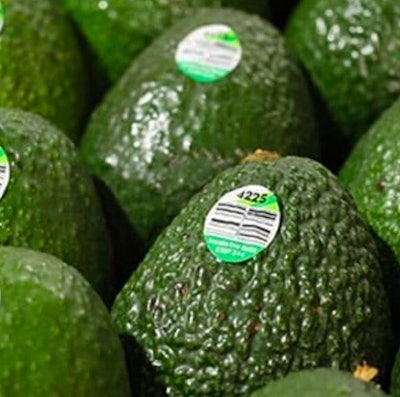
Sinclair has launched the T55, a compostable label designed for use on fruits and vegetables. This label is notable for its dual compostability, meeting both home and industrial composting standards. The T55 is a “price look-up” (PLU) paper label that can be disposed of alongside fruit and vegetable peelings in compost, contributing to waste reduction. While compostable labels are not a new concept in the sector, Sinclair’s T55 label is the first to meet both the industrial and home composting requirements. The industrial composting standard, specified by the EN13432 standard, ensures the label degrades under strict conditions. The home composting standard is even more demanding, requiring the label to degrade under less favorable conditions, including lower temperatures and longer degradation times. By offering this dual compostable label, Sinclair aims to support more sustainable waste disposal practices in the fruit and vegetable industry, allowing for easier integration into composting systems and reducing the environmental impact of traditional labels.
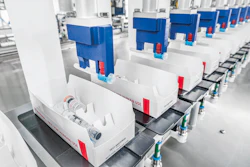
 Releaf offers advantages such as increased mechanical strength, reduced material usage, and lower energy consumption compared to fossil-based plastics.Image provided by the PackHub.
Avantium N.V. and Amcor Rigid Packaging Advance Plant-based Polymer for Packaging
Avantium N.V. and Amcor Rigid Packaging USA have entered a joint development agreement to advance the use of Avantium’s plant-based polymer, Releaf, in rigid containers for various products, including food, beverages, pharmaceuticals, and personal care. Releaf is made from renewable plant-based resources and offers high performance with barrier properties, which extend the shelf life of food and beverages. It also has a lower carbon footprint and is recyclable within existing PET recycling streams. Amcor has committed to reserving capacity for PEF, the core material of Releaf, from Avantium’s future industrial-scale FDCA plant in Delfzijl, Netherlands. This agreement supports Amcor’s ambition to achieve net-zero emissions by 2050. Releaf offers advantages such as increased mechanical strength, reduced material usage, and lower energy consumption compared to fossil-based plastics. This partnership will help both companies achieve their circularity and environmental impact reduction goals.
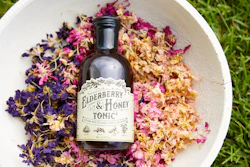
 The orange leaf packaging can naturally decompose into fertilizer, enriching the soil and completing a full ecological cycleImage provided by ThePackHub
Good Nature Co.'s Biodegradable Orange Packaging Nurtures Soil Health
Good Nature Co., Ltd., based in Thailand, has introduced a packaging solution for oranges, crafted entirely from fallen leaves of orange groves. This biodegradable material adheres to a cradle-to-cradle philosophy, ensuring that after use, the packaging can naturally decompose into fertilizer, enriching the soil and completing a full ecological cycle. The design not only prioritizes sustainability but also integrates functional features, such as an indicator that changes color to signal the optimal consumption time of the fruit. Inspired by the natural ecosystem of the Preechafang orchard in Northern Thailand, which avoids harmful chemicals, the packaging structure draws from the resilience of ant nests found in chemical-free environments. The circular, infinity-inspired shape visually represents nature’s continuous renewal process. The packaging is handcrafted by local artisans in Fang, reinforcing community involvement and adding cultural value to the product.
Learn more about ThePackHub's Innovation Zone here.