The FDA banned Red Dye No.3 from foods effective January 15, 2027, because laboratory studies showed it causes cancer in male rats. The agency invoked the Delaney Clause, which prohibits food additives linked to cancer in animals, despite no confirmed human health risks.
- Red Dye No.3 is found in candy, cakes, cupcakes, cookies, frozen desserts, and frostings
- A 2022 study showed the dye caused cancer in male laboratory rats exposed to high levels through a hormonal mechanism
- The FDA ban is effective January 15, 2027, giving manufacturers time to reformulate products
- The Delaney Clause prohibits food additives that cause cancer in humans or animals, regardless of human evidence
- This follows a 2018 FDA ban on six flavoring substances with similar cancer-causing properties in animal studies
The FDA is no longer allowing manufacturers to use color additive FD&C Red. No. 3, also known as Red Dye No. 3, in foods, per a federal order issued on Jan. 15.
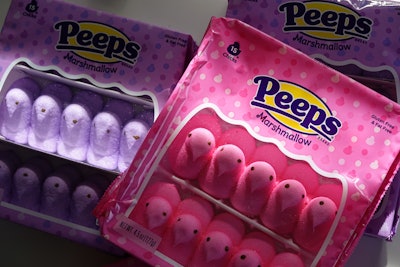
The dye gives foods a cherry-red color and can be found in items such as candy, cakes and cupcakes, cookies, frozen desserts, frostings and icings, and ingested drugs. The FDA is revoking the dye's usage due to potential health concerns.
Data from a 2022 color additive petition shows that Red Dye No. 3 causes cancer in male laboratory rats exposed to high levels of the dye. This is due to a hormonal mechanism that occurs in the rats. Other studies did not provide evidence of the dye inducing cancer on humans or other animals, the FDA informs. Still, the agency is not taking chances.
The FDA revoked the dye’s use under the Delaney Clause of the Federal Food, Drug, and Cosmetic Act (FD&C Act). The clause prohibits FDA authorization of a food additive or color additive if it has been found to induce cancer in humans or animals.
Studies performed may not suggest Red Dye No. 3’s direct danger to humans, but the FDA’s cautious approach is understandable. The long-term effects of the dye’s consumption in humans may still be unknown. Therefore, banning its use is a safe way to prevent potentially harmful effects from surfacing.
The dye is not the first additive to be removed under such circumstances. In 2018, the FDA banned six flavoring substances due to data that showed their ability to cause cancer in laboratory animals.
The FDA’s red dye order is effective on Jan. 15, 2027. The agency states it will continue to evaluate all scientific information and data when considering if changes that will impact the food supply are warranted. Furthermore, the FDA says food producers are responsible for making sure their products meet federal requirements.