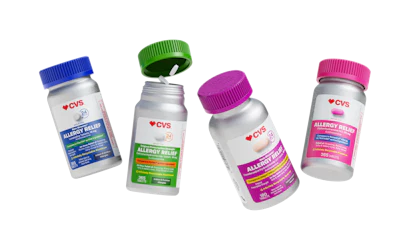
CVS Pharmacy is rolling out aluminum bottles for store-branded over-the-counter products nationwide, starting with allergy and pain relief medications, to reduce plastic waste with a highly recyclable, lightweight alternative that maintains product stability and shelf life.
- CVS is launching aluminum bottles for store-brand OTC products, beginning with value-sized allergy and pain relief products including equivalents to Zyrtec, Claritin, Advil, and Tylenol
- Aluminum is highly recyclable and accepted by the majority of recycling programs, providing a reliable end-of-life pathway compared to plastic
- The new aluminum packaging is lightweight and shatter-resistant, making it safer and more efficient to transport than glass alternatives
- This initiative aligns with CVS's Healthy 2030 sustainability strategy to reduce virgin plastic use and increase recyclability across their product portfolio
- Initial product testing showed positive consumer feedback, with customers noting the unique shelf appearance and appreciation for the recyclable element
CVS Pharmacy is unveiling an aluminum bottle for store-branded OTC products nationwide, beginning with select value-sized CVS brand allergy and pain relief support products. The change provides consumers with a packaging option that reduces plastic use with a highly recyclable material instead.
“The new aluminum bottles give customers looking to reduce their plastic use a recyclable aluminum option for some of their everyday wellness essentials. Aluminum is highly recyclable (1), giving it a reliable end-of-life pathway. And like more traditional packaging options, aluminum provides a strong barrier to help maintain stability and shelf life,” says Mike Wier, vice president of Store Brands CVS.
More broadly, this update reflects an ongoing effort at CVS to rethink how everyday health care products are packaged to simplify the shopping experience for customers. Last year, the company rolled out a new look for the CVS brand of OTC health and wellness products to make it easier for customers to quickly find the items they need.
“The refresh is now 50 percent complete, with several categories, including cold, allergy, children’s remedies and digestive health, already debuting new packaging and others, including feminine care and adult care hitting shelves in the coming months,” says Wier. “The new aluminum bottles also have the new brand look.”
Compared to glass, aluminum is lightweight and shatter-resistant, making it safer and more efficient to transport, reports CVS. Aluminum bottles are also highly recyclable (2), and aluminum is among the most common materials accepted by the majority of recycling programs. (3) For CVS, this product launch fits into the company’s larger sustainability goals.
“As part of our Healthy 2030 strategy, we're focused on improving the sustainability of the materials we use,” says Wier. “That includes our Store Brands packaging, where we strive to use less virgin plastic and increase recyclability across our portfolio. (3) We aim to eliminate or use less plastic, replace plastic with alternative sustainable materials and identify new strategies to increase recyclability and safer end-of-use disposal of the materials we use where we can.”
According to the company, aluminum is not just sustainable, it’s well-received by consumers.
“In our initial product testing, we've received positive feedback about the look and feel of the aluminum bottles,” says Wier. “Many customers have noted that the aluminum bottles stand out on shelves with their unique look. Additionally, many customers emphasized that the recyclable element of the product is appealing to them, as they're trying to reduce their plastic use.”
Many healthcare products have traditionally relied on plastic packaging due to performance, regulatory, and cost considerations. But for many companies, making a material swap can net a big impact. According to Wier, the company strategy focuses on driving measurable progress in reducing virgin plastic use and improving end-of-life outcomes for plastics, while balancing health care quality, safety, and consumer experience. (3) (4)
“Starting with value-sized products proved most effective, making it easier to bring a more consistent look across a set of products,” says Wier. “The larger aluminum bottles also make the packaging change more noticeable to our customers than it would be on a smaller, 100-count plastic bottle.”
Wier says that while the company’s initial focus is the performance of these first six items, if they resonate well with customers, then CVS may expand the aluminum bottle across more categories.
(1)The Aluminum Association: Infinitely recyclable. https://www.aluminum.org/Recycling. Accessed March 2026. 4
(2)The Environmental Protection Agency: U.S. Recycling Infrastructure Assessment and State Data Collection Reports. https://www.epa.gov/smm/us-recycling-infrastructure-assessment-and-state-data-collection-reports. Accessed March 2026.
(3)CVS Health: Store brand sustainability. https://www.cvshealth.com/impact/healthy-planet/store-brand-sustainability.html. Accessed March 2026.
(4)CVS Health: Healthy Planet. https://www.cvshealth.com/impact/healthy-planet.html. Access March 2026.