USP’s Desmond Hunt, Senior Scientific Liaison, and Theresa Laranang-Mutlu, Public Relations Manager, point out that as an independent, not-for-profit organization, USP’s general chapter standards numbered above 1,000 aim to be informational, while standards below 1,000 are intended for mandatory use. Either may apply when called out in particular monographs, and may also be FDA-enforceable.
Hunt’s area of focus is in packaging, storage, and distribution, and these issues are global in nature. He points out the importance of compendial standards, in light of recent quality issues related to product recalls (some resulting in drug shortages), and an increasing number of FDA inspectional observations (Form 483) and Warning Letters.
He mentions that USP is in the midst of major revisions to General Chapter 661, where sections of the chapter predate the 1970s.
In his presentation at PDA Europe in Brussels, “U.S. Pharmacopeia: Plastics Packaging Materials and Systems for Drug Products,” Hunt mentioned, “We received feedback from stakeholders regarding the current chapter with a general consensus being that it adds minimal value in helping manufacturers determine whether the materials of construction for a final packaging system are safe and suitable for the packaging’s intended use.
“Quality by design and risk management are growing philosophies in the industry,” says Hunt. “Shouldn’t our packaging standards reflect that? So, beginning with the 2010 revision cycle we wanted to bring the packaging chapters into the 21st Century.”
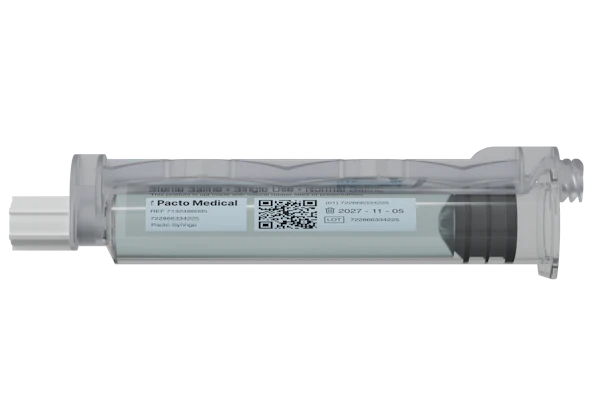
USP notes the importance of temperature-controlled distribution, particularly for controlled room product stability. Other priority topics include developing standards for single-use products and revising standards for elastomeric materials and package integrity testing.
USP is a scientific nonprofit organization that sets standards for the identity, strength, quality, and purity of medicines, food ingredients, and dietary supplements manufactured, distributed, and consumed worldwide. USP’s drug standards are enforceable in the U.S. by the FDA, and these standards are used in more than 140 countries. USP standards are developed and revised by more than 900 volunteer experts, including international participants, who work with USP under strict conflict of interest rules. USP works with scientists, practitioners, and regulators of many nations to help protect public health worldwide.