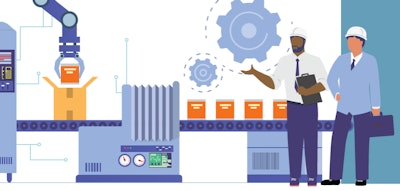
Packaging and processing companies can optimize employee training through four technology-driven approaches: personalized learning with multilingual avatars, data instrumentation to track performance, 3D machine simulations, and automation of repetitive tasks.
- Personalized Learning: Use multilingual avatars and animations adapted to each operator's language, skill level, and learning style to improve engagement and retention
- Data Instrumentation: Track metrics like user weak points, task completion time, and module clicks to identify gaps and create more targeted training programs
- 3D Machine Simulations: Display exploded views and digital twins of equipment to help operators understand complex machinery and troubleshoot problems effectively
- Task Automation: Automate repetitive work to free employees for high-impact responsibilities, improving job satisfaction and career development opportunities
- Cost Reduction: These strategies address high turnover rates and reduce the burden of costly training periods for new hires in packaging and processing facilities
A recurring theme amongst packaging and processing professionals is the need to use technology to hone employee training. Using tools to individualize training materials to the needs of operators and tasks is key, and there are four ways industry professionals believe the goal can be achieved.
That’s according to PMMI Business Intelligence’s “Technology & Workforce: Using Smart Technologies to Bridge the Skills Gap,” a report that captures insight from packaging and processing end-users and OEMs on the role technology can play in addressing the increasing skills gap and the burden of costly training periods for new hires. The report stems from a Q&A session and roundtable discussions between expert panelists and industry participants at PACK EXPO International 2024.
Individualized training, data instrumentation, an ‘exploded view,’ and automation
One group from the first roundtable discussion suggested individualizing training to match each operator’s learning style, using media and animations to make content more engaging. High turnover rates call for training on fundamentals and troubleshooting to be delivered in a succinct, engaging format.
Building upon this idea, one table suggested embedding a multilingual avatar, or “personal assistant”, into the human-machine interface (HMI). This avatar would provide a personalized user interface, adapting to the operator’s language preference, skill level, and capabilities, and offering tailored instructions and feedback.
Another group highlighted data instrumentation to enhance task-specific training. Organizations can analyze training effectiveness by tracking metrics such as user weak points, time taken to complete tasks, or clicks needed to reach the correct module/page. This information can then inform the creation of more targeted and successful training.
A third group suggested employers display an “exploded view of the machine” for training and troubleshooting. This can form part of the user interface and provide a realistic, 3D simulation that shows all the intricate parts of the machine. One participant said it could be “a step towards the digital twin concept,” training new operators in how machines work or serving as a guide for locating and fixing problems.
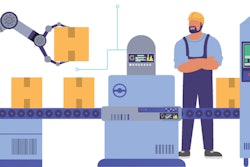
Lastly, the most popular suggestion among participants was automating repetitive tasks to free employees for high-impact responsibilities. This provides the additional benefit of making roles more enjoyable and gives employees more control over their time and career development.
SOURCE: PMMI Business Intelligence: Technology & Workforce: Using Smart Technologies to Bridge the Skills Gap
For more insights from PMMI’s Business Intelligence team, find reports, including “2024 Data Acquisition, Sharing and Utilization” and “2024 The AI Advantage in Equipment: Boosting Performance and Bridging Skills Gap” at pmmi.org/business-intelligence.
Download the FREE report below.