Key Takeaways:
· Key factors driving this market include stringent regulatory requirements, the need for tamper-evident packaging, and the rise in demand for innovative and eco-friendly packaging solutions.
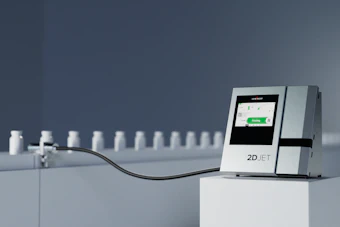
· The market is also influenced by advancements in technology, such as smart packaging and track-and-trace systems, to ensure product security and authenticity.
· With increasing pharmaceutical production and a growing focus on patient safety, the demand for specialized and customizable packaging solutions continues to expand, driving growth in the pharmaceutical packaging market.
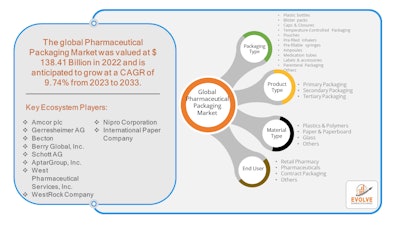
Evolve Business Intelligence reports that the pharmaceutical packaging market, valued at USD 138.41 billion in 2023, is expected to grow at a compound annual growth rate of 9.74% from 2023 to 2033. The report breaks down the market into categories and dives into the factors impacting the growth of the industry.
Global Pharmaceutical Packaging Market Dynamics
The major factors that have impacted the growth of global pharmaceutical packaging are as follows:
Drivers:
Innovations in Materials and Technologies
Advances in packaging materials, such as polymers, films, and coatings, contribute to enhanced product stability, shelf life, and sustainability. Technologies like smart packaging, RFID (Radio Frequency Identification), and QR (Quick Response) codes enable tracking, authentication, and real-time monitoring of pharmaceutical products.
Restraint:
Technological Complexity
Integrating advanced technologies, such as smart packaging features and track-and-trace systems, into pharmaceutical packaging requires substantial investments in infrastructure, software, and workforce training. Implementation challenges and interoperability issues may slow down adoption.
Opportunity:
E-commerce Packaging Solutions
The expansion of e-commerce channels for pharmaceutical sales creates demand for packaging solutions optimized for online retail distribution. Packaging designs that ensure product integrity during shipping, enhance user experience with easy-open features, and comply with regulatory requirements for online sales offer significant growth opportunities.
 The Pharmaceuticals sector dominates the pharmaceutical packaging market as it represents the primary end-user segment, encompassing both branded and generic drug manufacturers.Evolve Business Intelligence
By Packaging Type
Based on the Packaging Type, the market is segmented based on Plastic bottles, Blister packs, Caps & Closures, Temperature-Controlled Packaging, Pouches, Pre-filled inhalers, Pre-fillable syringes, Ampoules, Medication tubes, Labels & accessories, Parenteral Packaging and Others. Among these, the bottles category is the most significant product type. The lightweight, affordable, and easily moldable nature of this product is responsible for the segment’s rise. It is also preferred to package tablets, capsules, syrups, nose drops, eye drops, and other solid and liquid pharmaceuticals in plastic bottles.
By Product Type
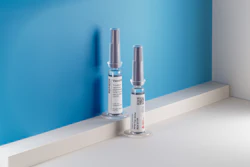
Based on Product Type, the market has been divided into Primary Packaging, Secondary Packaging, and Tertiary Packaging. Primary packaging dominates the pharmaceutical packaging market as it directly encloses the pharmaceutical product, ensuring its integrity, safety, and stability. Primary packaging includes containers such as vials, bottles, blister packs, and ampoules, which come into direct contact with the medication, playing a critical role in preserving its efficacy and extending shelf life.
By Material Type
Based on the Material Type, the market has been divided into Plastics & Polymers, Paper & Paperboard, Glass, and Others. Plastics & Polymers dominate the pharmaceutical packaging market due to their versatility, lightweight nature, and compatibility with various drug formulations. They offer excellent barrier properties, ensuring product protection against moisture, oxygen, and light, while also facilitating cost-effective production and customization.
By End-Use
Based on End-Use, the market has been divided into Retail Pharmacy, Pharmaceuticals, Contract Packaging, and Others. The Pharmaceuticals sector dominates the pharmaceutical packaging market as it represents the primary end-user segment, encompassing both branded and generic drug manufacturers. With a focus on product safety, compliance, and brand differentiation, pharmaceutical companies drive demand for innovative packaging solutions tailored to their specific drug formulations and market needs.