Key takeaways:
· With growing centralization of sterilization, packages now face a lot more environmental stress, like temperature shifts and rough road conditions, which can affect their sterility.
· AAMI TIR 109 is a new guidance document that will define best practices for ensuring packaging integrity during transportation of sterile medical devices.
· The document is anticipated to be released at the end of 2024
Keeping medical devices sterile during transportation is an important topic. To address how medical devices can stay sterile in transit, AAMI (The Association for the Advancement of Medical Instrumentation) recently shared a video interview from AAMI News Director Brian Stallard. He sat down with Ralph Basile and Sue Klacik, who are leading a team of subject matter experts in developing technical information report (TIR) 109, “a new guidance document that will define best practices for ensuring packaging integrity during transportation of sterile medical devices.” Key challenges like temperature, humidity, and vibration are all considered in the new document.
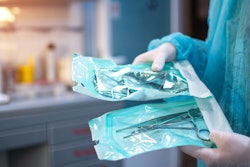
With the growing number of hospitals centralizing their sterile operations, this processing now often takes place outside of the hospital or at a location that may serve several facilities, states AAMI. This requires transporting sterilized items over longer distances, increasing its risk of contamination. The packaging of these items becomes very important to ensuring the medical devices’ sterility.
According to the group, AAMI TIR 109 will address the transport of both sterile and contaminated items over public roadways, which are an uncontrolled environment. The document will explore the challenges these items face when exposed to external environmental factors like temperature, humidity, and vibrations during transport, which is different from the controlled hospital environment.
While standards exist, like the ASTM D4169, that simulates transportation conditions like vibration and temperature extremes, AAMI says that they don’t account for the conditions of medical devices when healthcare facilities transport them between locations.
“AAMI TIR 109 is the first major effort to address this gap by providing best practices for hospitals and other facilities to maintain packaging integrity during transport,” states AAMI. This important document is slated to be completed by the end of the year. Learn more about it here.