Pharmaceutical labeling has become increasingly complex as regulators demand more content on packaging that cannot physically expand. Kite Pharma and other manufacturers must navigate varying global requirements, version control, and emerging digital solutions like QR codes to ensure compliance and patient safety.
- Regulatory bodies continuously add required content to pharmaceutical packaging, but physical label space remains unchanged, creating significant design and readability challenges
- Global labeling standards vary dramatically by region—FDA, EMA, and Japanese requirements differ substantially in format, structure, and required statements
- Common labeling pitfalls include inconsistent translations, insufficient version control, delayed safety updates, and shortage of designers with print expertise
- Cell therapy manufacturers like Kite use chain of custody and chain of identity protocols to track patient-specific products from manufacturing to patient delivery
- Digital solutions including e-labeling, QR codes, and AI-generated content are emerging as the future of pharma labeling, offering real-time updates and reduced physical space requirements
Key Takeaways:
- Across regions, regulatory bodies continue adding more required content to pharmaceutical packaging.
- Pharmaceutical manufacturers like Kite must also ensuring regulatory compliance across global markets.
- As in any industry, the future of pharma is going digital.
Pharmaceutical labeling has never been more complex—or more vital. As therapies become increasingly personalized and global regulatory requirements evolve, the role of packaging and labeling teams has expanded far beyond simple content placement. For cell therapy manufacturers such as Kite Pharma, where every product is made for a single patient, labeling becomes a critical safety and traceability tool.
To unpack the realities of today’s labeling landscape, I sat down with three labeling experts from Kite Pharma: Craig Vermeyen, senior director leading the packaging and labeling team; Sabrina Conner, who heads the clinical labeling team; and Josh Lipking, who oversees commercial labeling. Together, they offered a candid look at regulatory requirements, common pitfalls, global complexity, and the technology shaping the next decade of pharmaceutical labeling.
Regulation Is Expanding—But Labels Aren’t
Across regions, regulatory bodies continue adding more required content to pharmaceutical packaging. Yet, of course, blister packs, vials, and syringes maintain their original footprints. “Labels aren’t getting bigger,” Lipking explains. “A blister pack will remain the same size throughout its product life cycle, but regulations require more and more data like barcodes, additional statements, and text visibility requirements. That’s one of our biggest challenges.”
Readability and design constraints compound the issue. Small containers must still meet type-size requirements and maintain human readability. Regulatory affairs teams often must negotiate with agencies on what goes where, especially as new mandates arrive. Real estate challenges extend to clinical supplies as well.
“We face the same constraints in clinical labeling,” says Conner. “There’s only so much content we can fit, so there’s a lot of negotiation with regulators to determine what’s acceptable for patient supply.”
While that can be complex enough, pharmaceutical manufacturers like Kite must also ensure regulatory compliance across global markets. And label format, structure, and content hierarchy may shift dramatically between countries.
“We work closely with our regulatory partners," says Lipking. "Often, the structure of the content may change from one region to the next. It’s our job to ensure that it translates well, that the hierarchy remains readable and understandable, while we move things around.”
One such example is the company’s U.S. commercial label compared to it’s Japanese label. “There’s a striking difference—different languages, formats, and expanded statements required in Japan. The whole structure shifts to meet those needs,” continues Lipking.
According to Vermeyen, this requires regional expertise. “We’re fortunate to have Gilead affiliates embedded around the world who help us track local regulatory changes. Having someone who understands the regional regulatory climate is essential.”
Version control is another critical tool for keeping global variations in check. “Version control is big,” Conner notes. “We always want to make sure content version control is locked in because that helps us adhere to the right content.”
Speaking of global, the question on the minds of many is: Is a harmonized global labeling standard on the horizon? Lipking sees some movement. “I’ve noticed more harmonization between FDA and EMA. It’s not perfect yet, but there’s progress.”
But while harmonization is a goal, regional differences remain entrenched.
“Understanding the specific requirements for each jurisdiction is still a big part of our job,” says Vermeyen.
Common Pitfalls
As complex as labeling may be, the importance of accurate labeling is critical and errors can have major consequences. Common pitfalls that companies face include inconsistent labeling due to multiple requirements, core data differences country to country, insufficient version control, and translations not done correctly.
“We want to make sure the translations we’re using correlate to the source document,” says Conner. "That’s very important for label content development, especially for storage and handling statements. It’s imperative to ensure the label is developed correctly.”
Other pitfalls include safety changes not implemented quickly enough, serialization, and ineligibility due to lack of designer education.
“I’ve also noticed fewer people with design expertise to lay out label artwork,” says Lipking. “Print is unique. Many people can design for web and digital consumption, but print requires a different skill set. We try to find people with that experience, and it’s not always available.”
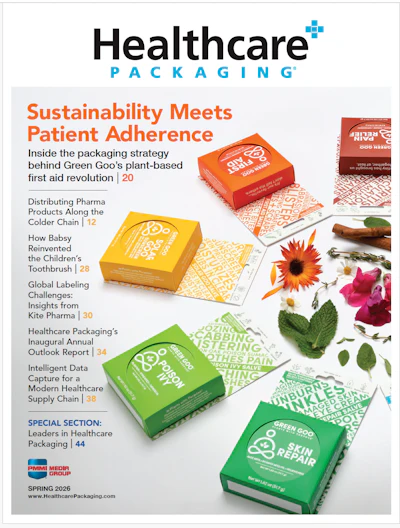
There’s a lot of information that needs to go on labels now, including serialization and traceability to track product from Kite all the way to the patient, but for Kite that is less of a concern than other pharma companies. While serialization can be complex, Kite’s patient-specific manufacturing model simplifies some aspects. “We manufacture a lot for one customer,” Lipking says.
But traceability remains critical—especially in cell therapy.
“Kite has patient-specific therapy, which allows us to track and trace all lots going to each specific patient with more ease than many big pharma companies that have giant lots with thousands of vials to track,” says Vermeyen.
While it may be easier, the importance is still there.
“Traceability at the patient level is very important. We use the terms COC and COI in the cell and gene therapy space—chain of custody and chain of identity. That’s our track-and-trace methodology," explains Vermeyen. "We always maintain the chain of custody throughout handoffs to ensure the right patient receives the right dose. Chain of identity ensures we know which patient’s cells are in that shipping container at all times. The labeling contents of that shipping container include patient-specific identifiers that can be tracked and documented at each handoff to ensure there’s never any mix-up.”
The Future of Pharma
As in any industry, the future of pharma is going digital. In the realm of labeling, that will likely be technologies such as e-labeling and QR codes.
“As content expands and containers get smaller, we hope the industry moves toward more QR codes and digital labels,” Vermeyen says. “Imagine needing only a barcode on a product while all content is viewed digitally. That’s somewhere we definitely want to get to, and AI could help generate the content linked in the QR code. To support our initiative to maintain supply for life-saving therapies, it’s important to embrace technology as it emerges, even if it’s something we don’t yet know exists."
Some regions are already experimenting. Kite participated in a Dutch government trial that eliminated leaflets in favor of digital content. “We were excited to be at the forefront,” Lipking notes. “We’ve found many benefits in the simplicity it provides.”
Digital labels offer the benefit of real-time updates. “Instead of waiting for printed materials, patients could immediately access the most current information,” says Conner.
As pharmaceutical development becomes more global, personalized, and digitally connected, labeling teams sit at the intersection of compliance, safety, and patient experience. Kite Pharma’s experts illustrate just how much strategy, coordination, and technological foresight now go into each label.