Walmart is using AI-enabled systems, RFID technology, and recycled packaging materials to significantly reduce waste across its operations and support its Project Gigaton sustainability goals.
- AI void-fill systems in e-commerce fulfillment centers measure empty shipping space and dispense precise paper amounts, cutting material waste.
- RFID-enabled labels in fresh food departments improve inventory visibility and reduce food waste in meat, bakery, and deli sections.
- Post-consumer recycled (PCR) packaging like the 30% recycled potato bag partnership with Wada Farms brings sustainable materials to retail shelves.
- Project Gigaton, launched in 2017, aims to eliminate 1 billion metric tons of greenhouse gas emissions by 2030 across global supply chains.
Walmart has long used its scale to push sustainability efforts across retail and consumer goods packaging. For decades the company has encouraged suppliers to reduce waste, redesign packaging, and improve supply chain efficiency. One of its most visible initiatives is Project Gigaton, launched in 2017 to work with suppliers to reduce or avoid 1 billion metric tons of greenhouse gas emissions across global product value chains by 2030. The program spans several focus areas, including packaging and waste reduction.
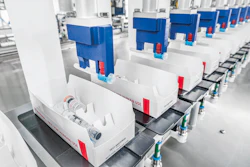
Recent efforts show how the retailer is applying automation, digital technology, and supplier collaboration to support those goals. In its e-commerce fulfillment centers, Walmart is deploying an AI-enabled system that measures empty space in shipping cases and dispenses the precise amount of paper void fill required, reducing material use while streamlining packaging operations.
Innovation is also taking place in its retail stores and across the supplier network. In its fresh food departments, Walmart is testing RFID-enabled labels to improve inventory visibility and help reduce food waste. At the same time, it collaborated with one of its suppliers to introduce a flexible film bag made with 30% post-consumer recycled resin. Together, these examples illustrate how Walmart is applying new technologies and packaging materials across different parts of its operation to reduce waste and improve efficiency.
Read the related articles here:
Walmart Deploys AI-Powered, Automated Void Fill at E-comm Hubs
Walmart combines AI-driven void-fill automation with right-sized box-making to reduce material use and support sustainability targets at its Next Generation Fulfillment Centers.
Walmart Uses ‘First-to-Market’ RFID in Fresh Categories
Walmart expands its use of RFID technology to fresh food departments like meat, bakery, and deli, introducing digital labels that boost inventory accuracy, reduce food waste, and streamline operations.
Wada Farms, Walmart Roll Out 30% PCR Potato Bag
This partnership between Walmart, Wada Farms, and Emerald Packaging places food-contact recycled film in the retail produce aisle. PW