Subscribe
Design & Materials
Sustainability
Machinery
Logistics
Industry News
Downloads
Adherence/Delivery
Package Design
Materials
Medical Device/Packaging
Transport Packaging
Package Design: Page 197
Labeling/Printing
Clinical trial labels
January 10, 2006
Labeling/Printing
OEM interface for thermal-transfer coders
Research funded by the Office of Naval Research evaluates thermal insulated packaging used for temperature-sensitive goods.
December 10, 2005
Package Design
Semi-automatic bagger
Regulatory requirements in the clinical trial scheduled-drug supply chain.
December 10, 2005
Package Design
Pouchmaking system
Recycling cold chain components, gaining a competitive edge with reusable and recyclable solutions, and a look at modern phase-change materials will be part of the packaging-related discussion topics at the 7th Cold Chain Distribution for Pharmaceuticals conference Sept. 21 - 24 at the Pennsylvania Convention Center in Philadelphia.
December 10, 2005
Package Design
Edible strips now deliver drugs
If imitation is the sincerest form of flattery, makers of nutraceuticals and over-the-counter cold and flu remedies truly must appreciate the success of breath freshener strips, which debuted about three years ago. The strips dissolve quickly on the tongue, they eliminate the need to measure and pour a liquid dose of medicine, and the pocket-sized rigid plastic cases that protect the strips provide consumer convenience.
December 10, 2005
Package Design
Healthcare package design shortcomings
Package branding and design expert Richard Gerstman isn't shy when it comes to citing what he believes are mistakes in the packaging of pharmaceutical and nutraceutical products. His three primary objections are: 1. Overpackaging. This is the big challenge! My guess is that approximately 75% of drug products use cartons over their primary packaging. Understandably, the cartons allow more room for brand identification and information. But the cartons may not be necessary. I think the challenge for the future should be to use a single primary package in a way that both identification and information can function. Through the years, many products have shed their overwraps and flourished. Listerine is a good example. 2. Most nutraceutical and many drug packages are too cluttered. This is especially true with weight-loss products. Promotional copy is usually unnecessary. I've seen "trusted for guaranteed relief," "twice as fast as...," "clinically proven...," and other unnecessary statements. The clutter on the package contributes to confusion and detracts from strong brand identity at retail.
November 10, 2005
Package Design
Four tips for healthcare package design
1. Striking the right balance between opening a bottle and keeping it child-resistant: Nothing ignites the scorn of the elderly more than their difficulties with tamper-evident and childproof packaging. Many bottle closures call for pressing down hard or lining up elusive and often hard-to-see arrows. That can make them simultaneously childproof and elderly resistant. 2. Using larger type but not crowding the package: Legibility of packaging copy, especially on [healthcare] packaging, has always been an important issue. It continues to need greater attention. The ability—or inability—to read and comprehend information such as usage and dosage declarations, identification of active substances, warnings and counter-indications is critical for anyone, but especially the elderly. With FDA regulations requiring certain information, making these details readable is not an easy task. But it is often further complicated by the marketer's desire to use side and back panels for text to promote product benefits while keeping the mandatory copy size to its permissible minimum—often making it virtually illegible to seniors.
November 10, 2005
Package Design
Package design for nutraceuticals
Last month, Richard Gerstman discussed healthcare packaging design changes. In this article, Herbert Meyers explores nutraceutical packaging design. Recognized thought leaders in branding and design, the two founded Gerstman+Meyers (now Interbrand) in 1971. The marketing of nutraceuticals is a fairly recent phenomenon. Many of these products relate to or are an outgrowth of prescription and OTC drugs. Their challenges to marketers: How to identify these products in relation to their pharmaceutical cousins? How much to differentiate them, and how to identify their benefits vis-à-vis pharmaceuticals?
November 10, 2005
Package Design
Sorption test findings in China
Polyolefin IV bags outperform PVC bags glass bottles.
October 10, 2005
Materials
Unplugging device for vials
October 10, 2005
Labeling/Printing
Booklet label for clinical trials
Through the years, there has been little change in the appearance of packaging materials and components in delivery systems for injectable drugs. The material science and manufacturing technologies that go into the creation of these systems, on the other hand, have undergone significant advancement. In this article, guest author Fran DeGrazio of West reports on the drivers behind the manufacturing systems for injectable drugs, and what can be expected in the future.
October 10, 2005
Package Design
Packaging for the new healthcare market
The growth of the healthcare market offers many challenges to the package designer. In order to understand how this market translates to package design, we need to visualize some of the segments within this market, including nutraceuticals and pharmaceuticals. "Quality-of-life" products have brought steady growth to the nutraceutical market that is expected to continue for several more years. Some of the nutraceutical products are referred to as dietary or nutritional supplements. In some cases they overlap the drug and functional food segments. The key to creating a good nutraceutical package means representing your brand and your product and breaking through the clutter of those retail channels. Here are some tips from The Visionary Package: • Know your competition. Study the market in a variety of shelf situations so your package will not "disappear" on the crowded shelf. • Understand the user of the product and develop a strategy for a brand personality that connects with the user and represents the essence of the brand.
October 10, 2005
Previous Page
Page 197 of 199
Next Page
Top Stories
Transport Packaging
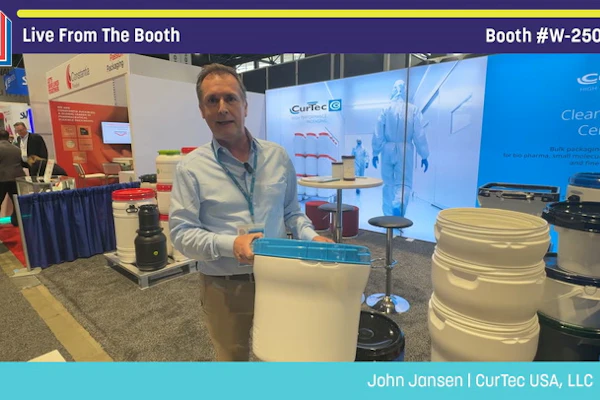
Sustainable Transport Package Reduces Plastic Use While Maintaining High-level Performance
The ECO LITE features a reduced product weight by 25%, while incorporating bio-based materials, and a mono-material lid.
PMMI News
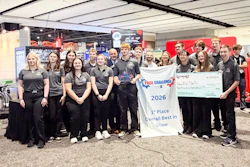
The Becker High School and Legacy Christian Academy Coalition Takes First Place in 2026 PACK Challenge at PACK EXPO International
PMMI News
PMMI Announces 2026 Technology Excellence Award Winners at PACK EXPO International
PACK EXPO
New Pump Upgrades Hygienic Maintenance
Labeling/Printing
Precise Direct-to-Object Printing for Molded Fibers
Products
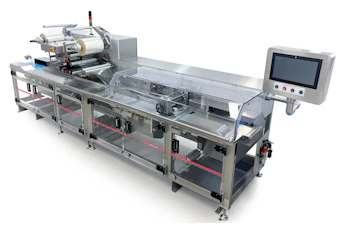
Bradman Lake Showcases Next-generation Packaging Automation at PACK EXPO International
See Bradman Lake's FT-iFLEX Flow Wrapper, Intelligent Motion Loader (IML), SL903 End Load Cartoner, HS Carton Former, IL120 Carton Closer, and IB30 Bagger In Booth S-1742.
Systech Launches Automated Serialization Stations for Packaging Lines
BW Packaging to Launch Perpetua at PACK EXPO
More Products
In Print
Fall 2026 Healthcare Packaging
Spring 2026 Healthcare Packaging
Fall 2025 Healthcare Packaging
Spring 2025 Healthcare Packaging
Subscribe
Archives
Downloads
View More »
Robotics/Automation
Market Snapshot: Life Sciences Manufacturing
Robotics/Automation
Automation Success on the Line
Labeling/Printing
Beyond the Label: Rethinking Healthcare Packaging
Package Design
Package Design Ideas Transforming Wellness, OTC, and Healthcare Brands
View More »