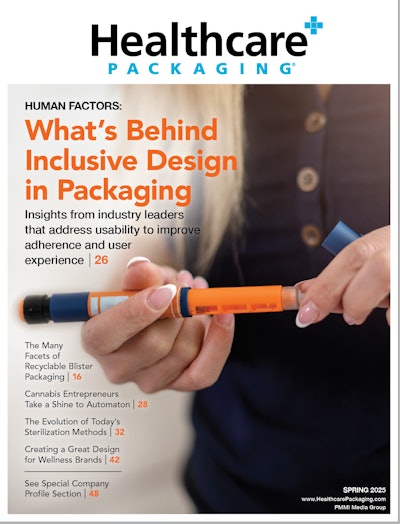
 | Read the full article: Identify When to Bring Human Factors Into Projects |
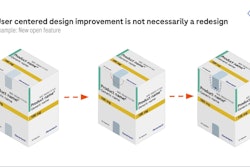
Human factors engineering leads to packaging designed to better fit people’s needs.
Pharmaceutical and medical device companies use human factors in a variety of projects, particularly in cases where a medication’s target is children or elderly patients, where incorrect dosage would require medical intervention, or where the disease state may compromise compliance.
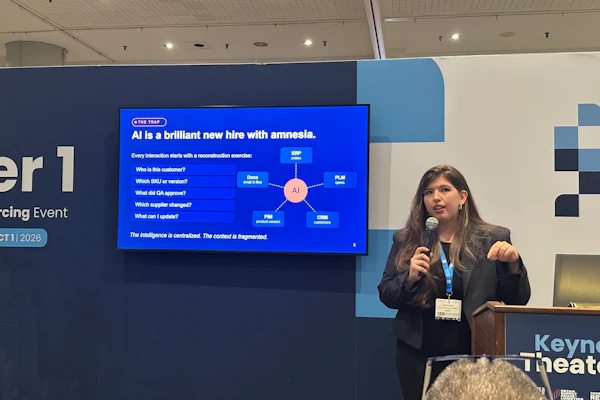
Roche Pharmaceuticals’ Tiffany McIntire says these design adjustments can be as simple as clearly defined perforation marks for easy opening, or sun and moon illustrations to indicate when to take which pills.
McIntire: “They can even keep track themselves, if they, it sounds maybe silly, but if it’s upside down or if it’s another way, at some point, If you’ve ever tried to take medication consistently, it gets a little disorienting.”
Human factors designs can go beyond baseline FDA requirements for packaging and while that’s drawn some concern from companies in the past, McIntire isn’t worried.
McIntire: “...you’re going to raise the bar and you’re going to have to keep performing there. And my response to that would be ‘God forbid we have usable products and they expect that.’”