The global flexible plastic packaging market will grow from $226.45 billion in 2026 to $281.20 billion by 2031, driven by rising packaged food consumption, e-commerce expansion, and demand for sustainable packaging solutions.
- Market projected to reach $281.20 billion by 2031 with a 4.4% compound annual growth rate
- Aluminum foil is the third-largest material segment, providing critical moisture and oxygen barrier protection for food and pharmaceuticals
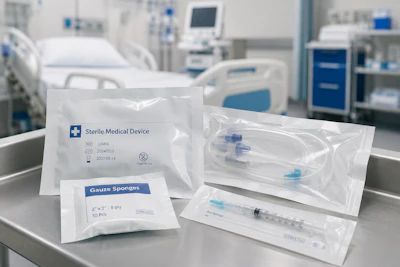
- North America holds the second-largest market share, driven by robust demand from food, beverage, healthcare, and pharmaceutical industries
- Bags represent the second-largest packaging type segment, valued for lightweight design and resealable features in retail and e-commerce
- Rotogravure printing dominates technology adoption for high-quality, consistent branding on plastic films and foils
Key Takeaways:
- The global flexible plastic packaging market is projected to grow at a compound annual growth rate of 4.4%, reaching $281.20 billion by 2031.
- Demand from the pharmaceutical, healthcare, food, and beverage sectors in North America is a significant driver of market expansion in the region.
- Materials providing high-performance barrier protection, such as aluminum foil, are critical for applications in food and pharmaceuticals where extending shelf life and ensuring product integrity are paramount.
The global market for flexible plastic packaging is projected to expand from $226.45 billion in 2026 to $281.20 billion by 2031, reflecting a compound annual growth rate of 4.4%, according to a new report from MarketsandMarkets. This growth is largely fueled by the rising consumption of packaged foods and the continued expansion of e-commerce and retail channels. For business-to-business stakeholders, the report highlights key trends in materials, technology, and regional demand that will shape the industry's future, particularly in high-value sectors like healthcare and pharmaceuticals.
North America Leads in High-Value Applications
North America accounted for the second-largest share of the market in 2025, a position driven by robust demand from its food and beverage, healthcare, and pharmaceutical industries. The region’s advanced packaging technologies and high consumer demand for convenient and sustainable packaging options contribute to its market strength. The growing consumer and regulatory focus on sustainable and recyclable materials is also influencing packaging development and adoption across these sectors.
Material and Technology Trends
The choice of material remains a critical factor for performance, especially in applications requiring stringent protection. According to the report, aluminum foil was the third-largest material segment by market share in 2025 due to its ability to provide a strong barrier against moisture, oxygen, light, and other contaminants. These properties are essential for extending the shelf life and ensuring the freshness and safety of products in both the food and pharmaceutical industries.
In terms of packaging type, bags represented the second-largest market segment in 2025. Their growth is tied to their light weight, cost-effectiveness, and increasing demand for durable and resealable solutions in retail and e-commerce.
Printing technology also plays a significant role in the market. Rotogravure printing held the third-largest share in 2025, favored for its capacity to produce high-quality, consistent images on various plastic films and foils. This technology is frequently used for food and consumer goods packaging where brand presentation and visual appeal are important.