Flexible plastic films are growing faster than overall plastics at 4-6% annually, but current recycling infrastructure cannot handle them effectively because they tangle in sorting equipment and contaminate other material streams, leading many communities to ban their collection.
- Flexible plastic films grow at 4-6% annually, outpacing the 3-4% growth rate for all plastics combined
- These materials tangle and wrap around sorting equipment at recycling facilities, complicating the materials recovery process
- Flexible films are often redirected to paper lines, increasing contamination and reducing the quality of recycled materials
- Many communities have banned flexible film collection from curbside programs due to operational challenges
- When recycled, flexible films typically become downgraded products like plastic lumber or polymer asphalt rather than new packaging
Flexible plastic films may outpace plastics overall in compound annual growth rate (CAGR), but these materials are a challenge to recycle with current infrastructure, according to PMMI Business Intelligence and AMERIPEN's collaborative report, “2023 Packaging Compass.”
The report says flexible films are expected to grow at an annual CAGR of 4-6%, citing a 2021 report from Mordor Intelligence. In contrast, the average CAGR for plastics overall is about 3-4%, according to a 2022 report from the Flexible Packaging Association.
This makes flexibles one of the fastest-growing segments within plastic packaging.
Plastic films have significant advantages both in terms of operational needs and sustainability. Their tensile strength permits for greater protection with less material, they help reduce carbon emissions during trucking due to space and weight, they are highly customizable, and they run efficiently on filling lines to reduce overall costs and time in production.
Consumers also appreciate the ease of opening, resealable capability, low weight, and small shelf space these packaging formats offer.
Recycling Challenges
Flexible plastic films can be recycled but are typically used in downgraded applications such as plastic “lumber” or polymer asphalt. They also tend to be collected at drop-off points rather than through curbside systems.
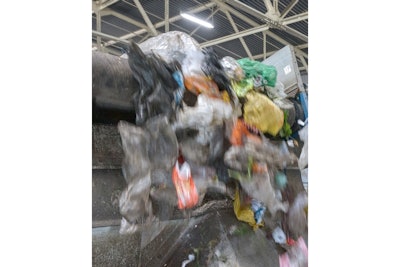
These materials are challenging as they can complicate the sortation phase of materials recovery. When flexible films are sorted at a municipal recycling facility, their flexible nature makes it easy for them to get caught in rotators, tangling, and wrapping up in the equipment. They may also be redirected toward paper lines, increasing contamination of that stream.
As a result, many community recycling programs have banned the collection of flexible film packaging formats.
Since plastic films are expected to continue to increase in market size, the packaging industry needs to begin discussing how best to collect, sort, and reprocess these materials to ensure a viable end market for their reuse.
Source: PMMI Business Intelligence and AMERIPEN, “2023 Packaging Compass”
Download the FREE report below.