The global smart inhaler market is projected to grow from $1.85 billion in 2025 to $6.86 billion by 2035, driven by AI and connectivity adoption that improves medication adherence and reduces hospitalizations for asthma and COPD patients. This growth reflects a shift toward digital health solutions, with online pharmacies and homecare settings emerging as the fastest-growing distribution channels.
- Smart inhaler market projected to reach $6.86 billion by 2035, expanding at a 14.0% compound annual growth rate from 2025 baseline of $1.85 billion
- Nearly 50% of asthma patients use inhalers incorrectly, leading to disease exacerbation and costly hospital admissions that smart inhalers help prevent
- AI, Bluetooth, and cloud technology enable remote monitoring, automatic usage tracking, and patient reminders to improve medication adherence
- Online pharmacies and homecare settings are the fastest-growing distribution channels, replacing traditional hospital-centric models with decentralized patient management
- North America dominates with $780 million in 2025, projected to reach $2.84 billion by 2035, while Asia-Pacific experiences the fastest regional growth
The market for smart inhalers is poised for significant expansion, with a new report from SNS Insider forecasting its value to grow from $1.85 billion in 2025 to $6.86 billion by 2035. This growth reflects a broader industry trend toward integrating digital health solutions to manage chronic diseases, particularly asthma and chronic obstructive pulmonary disease (COPD), where poor medication adherence can lead to severe health consequences and increased healthcare costs.
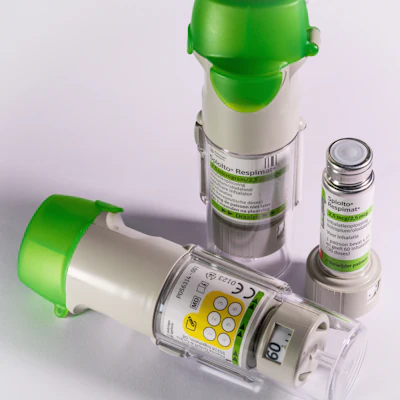
Connected inhaler systems, which leverage technologies like artificial intelligence and Bluetooth to track usage and provide data to patients and clinicians, are gaining traction as a tool to address medication non-compliance. According to the report, clinical studies show that nearly half of all asthma patients use their inhalers incorrectly, elevating the risk of disease exacerbation. By automatically recording usage, sending reminders, and enabling remote oversight, these devices aim to improve patient outcomes and reduce avoidable hospital admissions.
Evolving Technology and Distribution Channels
While traditional Metered Dose Inhalers (MDIs) accounted for the largest market share in 2025 at 65.1%, the report identifies Dry Powdered Inhalers (DPIs) as the fastest-growing segment. This suggests a market shift toward devices with features like breath-actuated, propellant-free technology.
From a business operations perspective, the channels for distributing these devices are also transforming. In 2025, hospital pharmacies held the dominant market share at 45.3%, as hospitals remain the primary point of diagnosis and treatment for severe respiratory conditions. However, the report highlights online pharmacies as the fastest-growing distribution channel, driven by the overall digitalization of healthcare, the convenience of telemedicine, and direct-to-patient delivery models. This trend is mirrored in end-use, where homecare settings are the fastest-growing segment, signaling a move toward decentralized patient management.
Regional Markets and Regulatory Influence
North America represented the largest market for smart inhalers in 2025, with the U.S. accounting for approximately 80% of regional revenue. The report attributes this dominance to a well-developed digital health infrastructure, high physician acceptance, and favorable reimbursement policies that support the adoption of remote patient monitoring technologies. The U.S. market alone is projected to grow from approximately $780 million in 2025 to $2.84 billion by 2035.
Europe is also a key market, with a projected compound annual growth rate of 13.9% through 2035. Growth in this region is influenced by strong digital health ecosystems and specific regulatory frameworks. The report notes that EU medical device regulations and data security standards under GDPR are compelling manufacturers to develop secure, compliant devices, which can serve as a competitive differentiator. Meanwhile, the Asia-Pacific region is expected to experience the fastest growth rate, driven by an aging population, rising air pollution, and increasing healthcare access in urban centers.